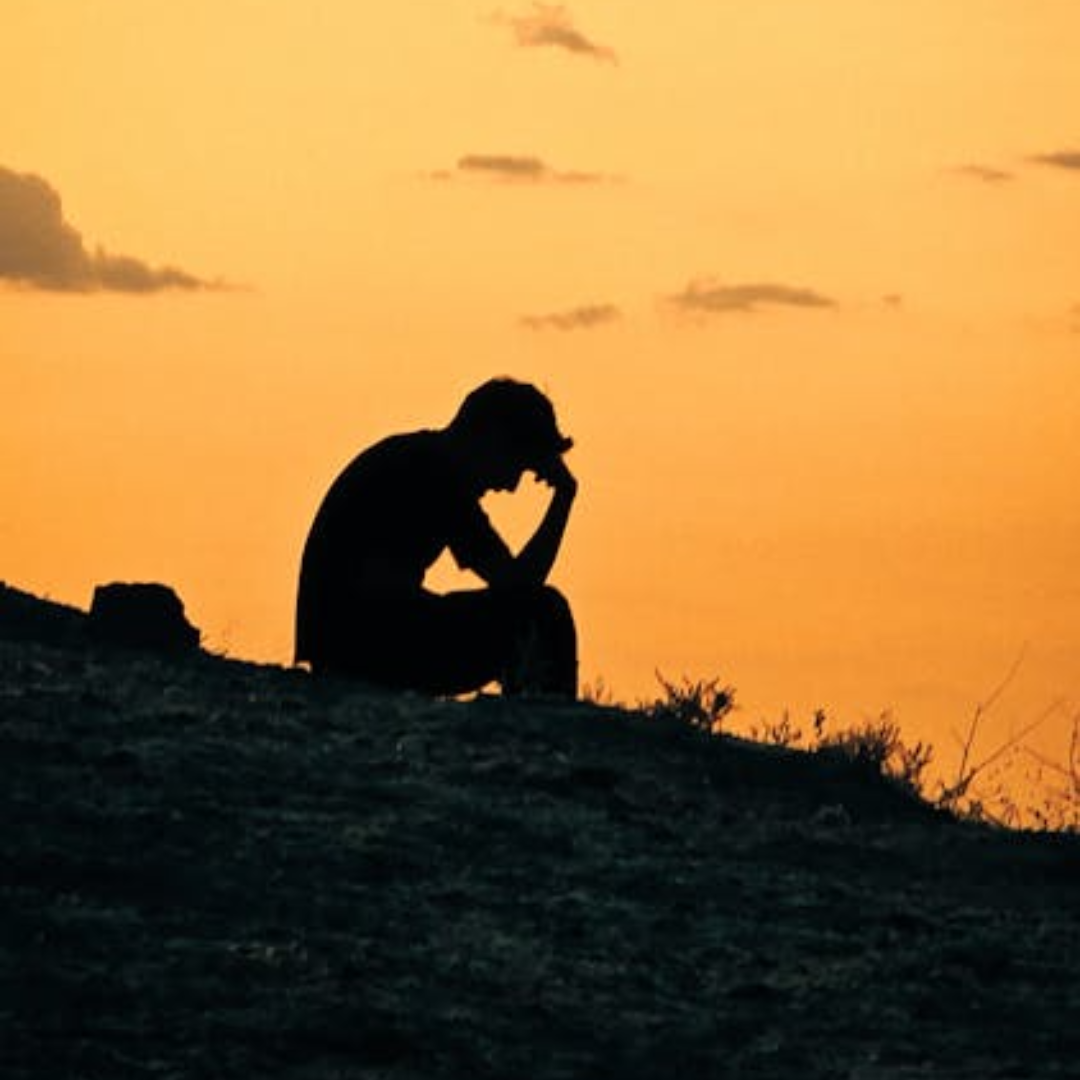

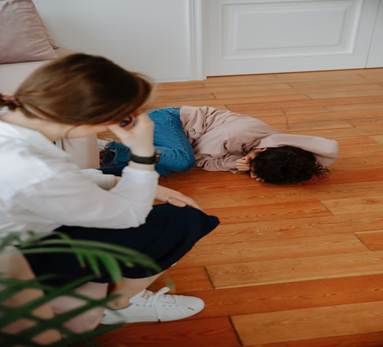
Sadness is an emotion that has been my constant companion as I race through the brief tapestry of my life. It is difficult to write about. To delve too deeply is to become intensely personal, yet to write about it superficially feels like an injustice to a subject that touches so many lives.
I do understand that it most often arises from loss—the loss of loved ones, cherished relationships, dreams, opportunities, or even a way of life that can never be reclaimed. Regardless of age, culture, or background, every human being encounters it, and countless works of literature, music, art, and film emerge from its depths.
Can we avoid sadness? I often ponder this question.
Perhaps sadness is necessary for us to appreciate happiness. Happiness without its counterpart would exist in a vacuum. It is through contrast that we learn what we cherish and what we hope to avoid. Light is understood because darkness exists; joy becomes meaningful only when sorrow accompanies it.
When I think about sadness, I reflect on both the personal events that have caused me immense grief and the larger issues that affect humanity as a whole.
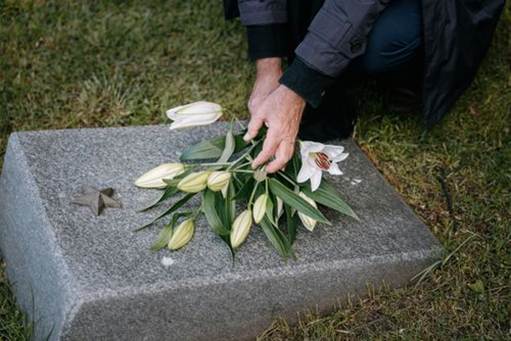
My deepest sorrows have come from loss—the death of my parents, the passing of my beloved dog (I have mentioned them in my book) and the misunderstandings and parting of ways with people I have loved. As I grow older, I witness the ageing, illness, and frailty of elderly relatives. I watch the passage of time as people drift apart, move on, or disappear from my daily life. Each loss leaves its own imprint upon the heart.
Yet my sadness extends beyond personal experiences. I feel a profound sense of grief when I witness the degradation of the natural world.
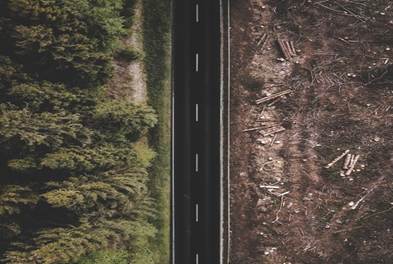
As I travelled through the Galapagos Islands, I saw ecosystems under pressure. I observed the decline of the Great Barrier Reef in Australia. I have noticed the diminishing snow cover on the Himalayas and watched reports of massive ice walls collapsing with alarming regularity due to global warming.

In forests and deserts across the world, including those of Africa, I have seen fewer birds and less wildlife than before.

The silence left behind by disappearing species saddens me deeply.
I also feel sorrow when I encounter exploitation in any form—whether it is directed towards senior citizens, vulnerable children, economically disadvantaged workers, or women facing discrimination disguised as tradition or patriarchy. Sadness is a difficult topic because it encompasses so much of the world. It lives in the spaces where people hurt one another, where cruelty triumphs over compassion, and where suffering is inflicted unnecessarily.
Perhaps the most difficult sadness to reconcile is regret.
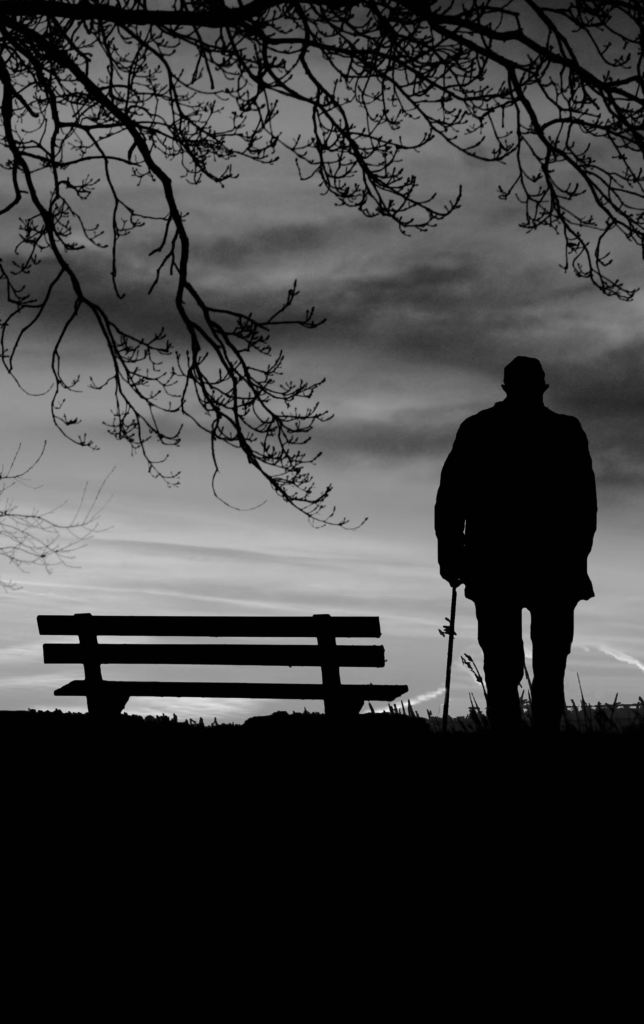
“If only I had done that.”
“If only I had not gone there.”
“If only that person had not died before I had the chance to apologise.”
Regrets are endless because they are tied to events that can never be altered. This is Earth, after all. We cannot travel back in time to change the past, nor can we leap into the future to see how things will unfold. We only have the present moment.
Sadness affects far more than our emotions. After the death of my parents, I was unwell for many years because I could not fully accept their absence from my life. My grief manifested physically through illness, heart palpitations, anxiety attacks, and elevated blood pressure. I began to view life itself as an unpredictable roller coaster ride that could drop without warning. If I could lose my parents so suddenly, I reasoned, then anything dreadful could happen at any moment.
I have come a long way since those difficult years, but healing has required conscious effort and a strong belief in the Supreme Consciousness that guides us through our earthly journey. Over the years, I immersed myself in meditation, prayer, positive affirmations, past-life regression, and various alternative therapies in an attempt to rekindle joy within my heart.
One experience remains vivid in my memory. My husband and I attended a sound-therapy session at a resort nestled in the hills of Uttaranchal. What felt like fifteen minutes of beautiful music and vibrations was, in reality, nearly half an hour. When the session ended, the healer looked at us and quietly remarked, “One of you is carrying deep sorrow inside.”
My husband smiled and glanced at me. Instantly, I knew the healer was referring to me. I was astonished that someone could sense the sadness I carried beneath the surface.
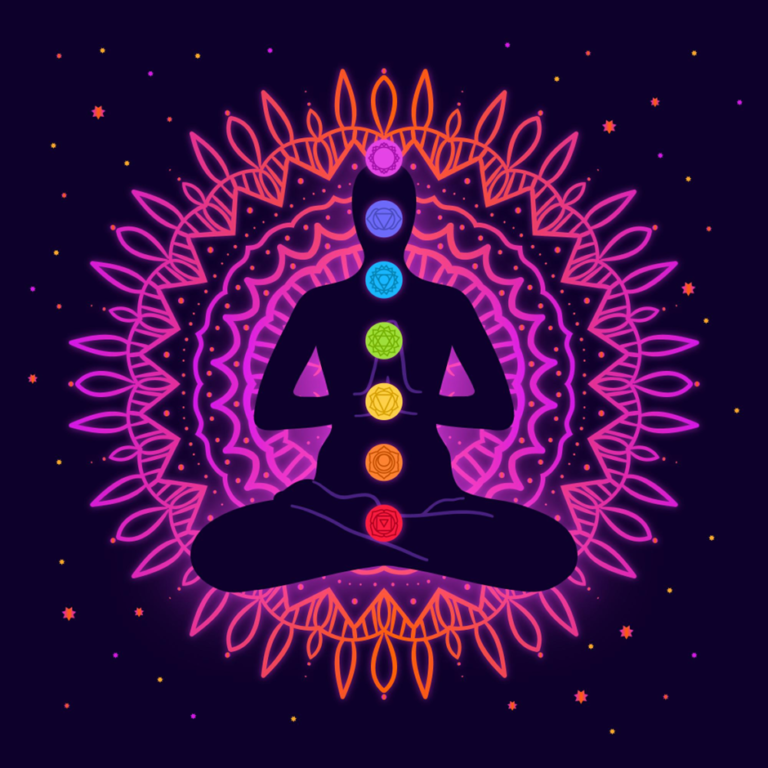
A turning point came when I spoke with a psychologist about grief. Through our conversations, I realized that while I understood the theory of happiness and inner peace, I had neglected an essential aspect of healing. My mind was active, my spiritual understanding was strong, but my heart still needed attention.That insight changed my meditation practice. Instead of focusing primarily on my third-eye chakra, I began directing my awareness toward my heart chakra. I focused on my my breathing heart while chanting mantras, practising pranayama, and sitting in silent meditation
.
I remain a work in progress, as we all are. Yet I have discovered that peace, love, and happiness are choices available to me, regardless of circumstances. Circumstances are not always within my control, but my state of being is.
Today, I consciously choose peace over turmoil, love over bitterness, and happiness over sadness.
For if we do not help ourselves emerge from sorrow, we risk slipping into depression, hopelessness, and diminished self-worth. Sadness is an inevitable part of life, but it need not become our permanent residence. It can be acknowledged, honoured, and understood—and then gently released, allowing us to move forward with greater compassion, wisdom, and gratitude for the present moment.

Yes, sadness is not merely an emotion of suffering. Shared sorrow has a way of deepening human relationships, drawing people together through empathy, compassion, and support. Unlike emotions that demand immediate action, sadness encourages reflection. It invites us to pause, look inward, and examine our priorities and the meaning of our experiences. Perhaps this is why sadness is such a universal emotion. Although painful, sadness can also become a catalyst for growth and healing. It teaches resilience, nurtures wisdom, and often leaves us emotionally stronger than before. In this way, sadness is not merely the opposite of happiness but an essential part of the human journey, helping us develop compassion, gratitude, and a deeper understanding of life itself.