

The emotion of love is so vast that I often find myself overwhelmed, unsure of where to begin. And yet, deep within, I know the starting point—the first, the greatest, the most sublime, and truly the only everlasting love: the love between God and me.
OUR LOVE FOR THE SUPREME CONSCIENCE
There is a profound idea that the highest consciousness, in an act of pure expression, chose to manifest its infinite love—and from that divine impulse arose the universes, the galaxies, the stars, the countless forms of life that dance through space…and me.
I have immersed myself in the wisdom of spiritual masters from diverse traditions and beliefs. Though their voices differ, their message converges into one truth: love is not merely an emotion—it is a state of being. Unconditional, boundless, and eternal. It is the very frequency upon which existence itself is sustained.
I have developed an obsessive love for knowledge and truth. I feel that these two ideas are the cornerstone of my understanding of the abstract idea of experiencing oneself as ‘Sat-chith-ananda’, which loosely translates to ‘existence-consciousness-bliss’. On attaining this sublime feeling, we can experience the other forms of divine love… love in friendship, humanity, art, creativity; love through service to others. Each type of love experience connects to the next.
Finally, I believe in the love for a purpose in life — or ‘dharma’… Who am I? Why was I born? What is my purpose on this earth? How can I serve others?

This sense of existential, divine love has found its way into my book, One More Than Eight and Other Stories. In ‘A Stranger on the Train,’ the philosopher reflects upon this sacred truth, revealing how God’s love is not distant or abstract, but vividly present—in the rhythms of nature, in the innocence of animals, in the depth of human connection, and in the ceaseless motion of the cosmos
. In another poem, ‘Infinite’, alive with passion, and Earth are both engaged in an eternal act of loving humanity and nurturing the planet. Whilst ‘Humankind’ has only disdain for these infinite gifts.
ROMANTIC LOVE
The other form of love I explore in my books is romantic love—the timeless, intricate bond between a man and a woman. In my very first story, A Window with a View, I delve deeply into the many shades of love and longing that flow between the protagonists, capturing their tenderness, intensity, and quiet, unspoken yearnings.
I have also journeyed through love in its more complex expressions—love touched by sadness, shadowed by obsession, and marked by the ache of not being returned; love that is given completely, yet remains unanswered. These dimensions, though painful, reveal the depth and vulnerability that make love profoundly human.

Romantic love remains one of my most cherished themes. The man in my stories must rise to the status of a hero by accepting the woman as she is, loving her in her wholeness. And she, in turn, embraces him with the same authenticity. Together, they arrive at a space where each accepts not only the other but also their own true selves.
For me, the love between a couple is defined by unselfishness, by a deep and abiding trust, and by a mutual respect that does not waver. It is this sacred balance that, in my eyes, becomes the true expression of mature, enduring love.
LOVE BETWEEN A PARENT AND CHILD
Then there is the love between parent and child—a bond so unique that it stands apart from all others. For a parent, a child is not just a creation, but a living reflection—at least in part—carrying 50% of their very DNA. The other half flows from the other parent, forming a sacred blend that feels deeper than biology, as though it echoes a connection far beyond time and space.

I often feel that the parent–child relationship is not confined to a single birth, but is woven across lifetimes—souls meeting, parting, and finding each other again in different forms. These bonds, I believe, carry imprints of past lives, revealing themselves subtly in the present.
I feel this eternal bond towards my parents, especially my mother. A strong feminist, combined with great inner strength and kindness, she ruled our family as a true matriarch. Though she was not physically strong and suffered from multiple ailments, her word was law because she emanated truth, justice, and fair play. Values that I still hold in high esteem in myself as well as in others. I have devoted a special chapter to her… ‘The Spirit of Amma ‘, which appears under ‘Valour ‘.Her love was one that survived through the litmus test of life’s travails -and required a special mention.
I have explored these ideas of love through various stories, each lensing the theme in a different way. In some of my narratives, I introduce the element of hypnotism to uncover hidden memories and deeper truths. In others, I portray moments that feel almost mystical, like a child urging a mother to “hurry up and deliver me,” as though aware of a connection that transcends time.
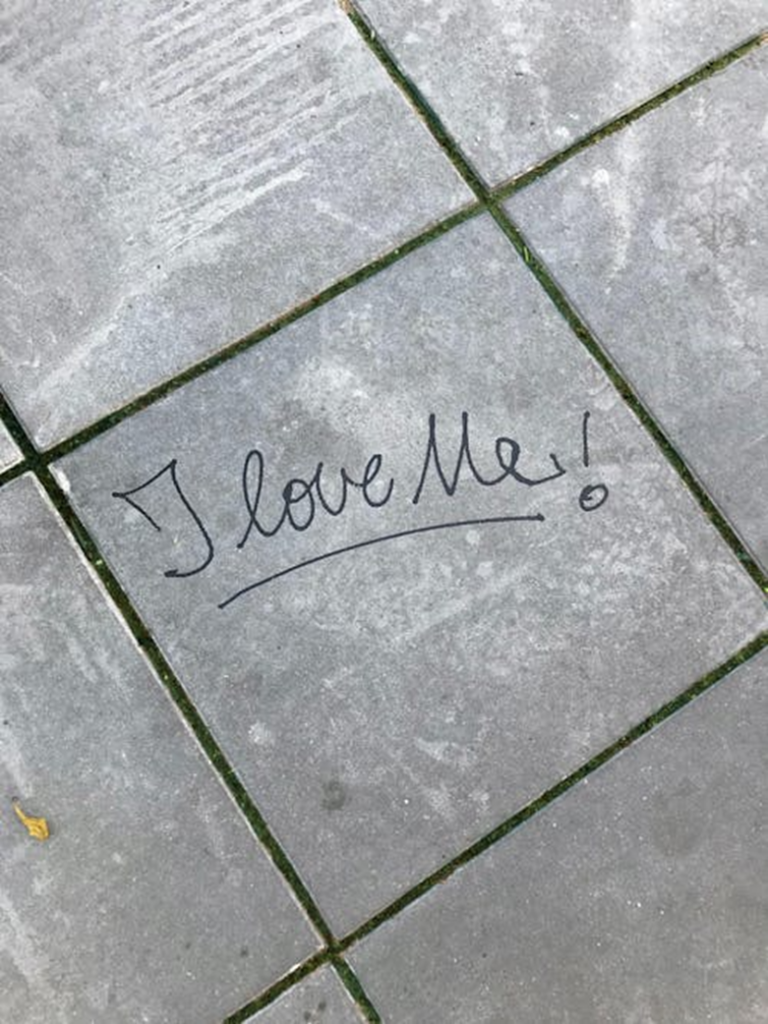
I LOVE ME
The last love I want to mention is self-love. Only when we love ourselves can we truly transfer love to others. I have developed a habit of meditating and asking God to make me be ‘an instrument of His peace and love’ -as quoted by the famous prayer of Saint Francis of Assisi.
Our challenge is what to do with those who do not reciprocate love—those who show hate, dislike, or have no attachment. My experiences suggest that we should love others not because of who they are or aren’t, but because God loves us and we are directly connected to Him. We are merely instruments transmitting divine love from this eternal source to others. That’s why we should love everything around us—trees, water, the elements, people, and even inanimate objects—not because they have inherent value, but because we serve as conduits of God’s love.
There is a common misinterpretation of love—the love of the senses. Many people confuse this with true love. The love of the senses involves an overindulgence in food, constant craving for taste, possessiveness, coveting things based on sensations, and seeking pleasure in superficial things like gossip, harsh words, showy music, excessive spending, and material possessions. These are misinterpretations of material possessions.
These are not expressions of true love, but distortions born from sensory desire. This love stems from being a slave of ‘EGO – ‘Edging God Out’, not true spiritual love.
True love, as I have come to understand it, is far quieter, far deeper—it is not something we consume, but something we become.
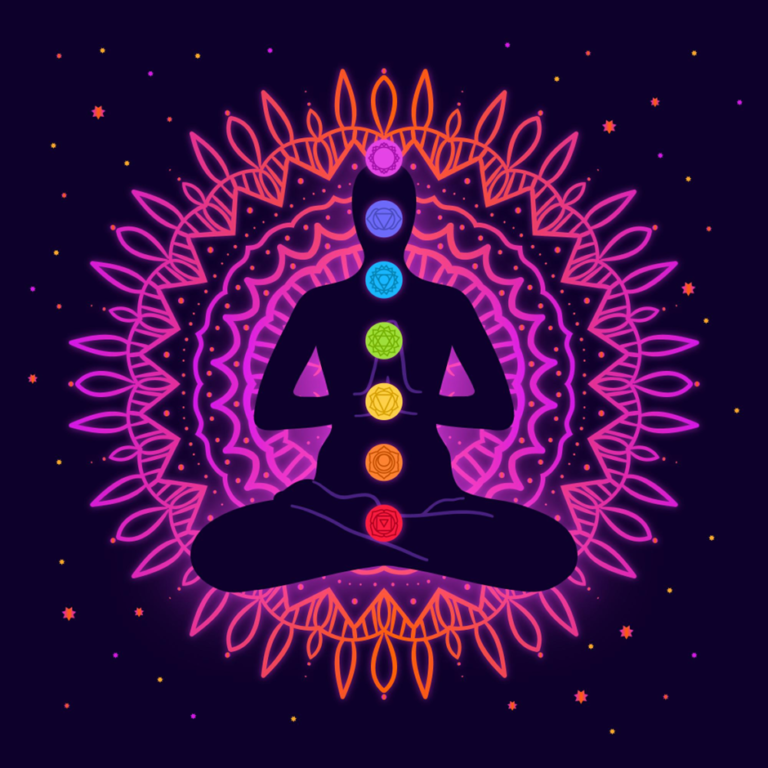
Over time, I have cultivated the quiet practice of meditation, turning inward to pray so that my heart chakra is activated, regardless of what is happening in the outside world. Not because they demand our love, but because we are vessels of a higher, eternal source. Love, in this sense, becomes an offering, a quiet act of alignment with the divine.
Below I have included my favourite quote stated by the apostle of love, Mother Teresa: –
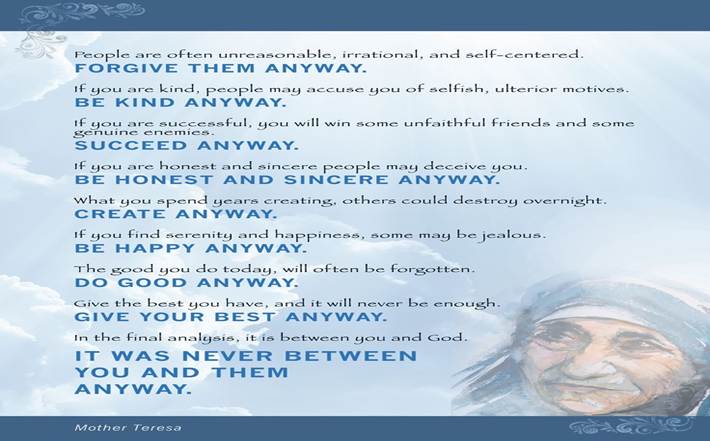
–