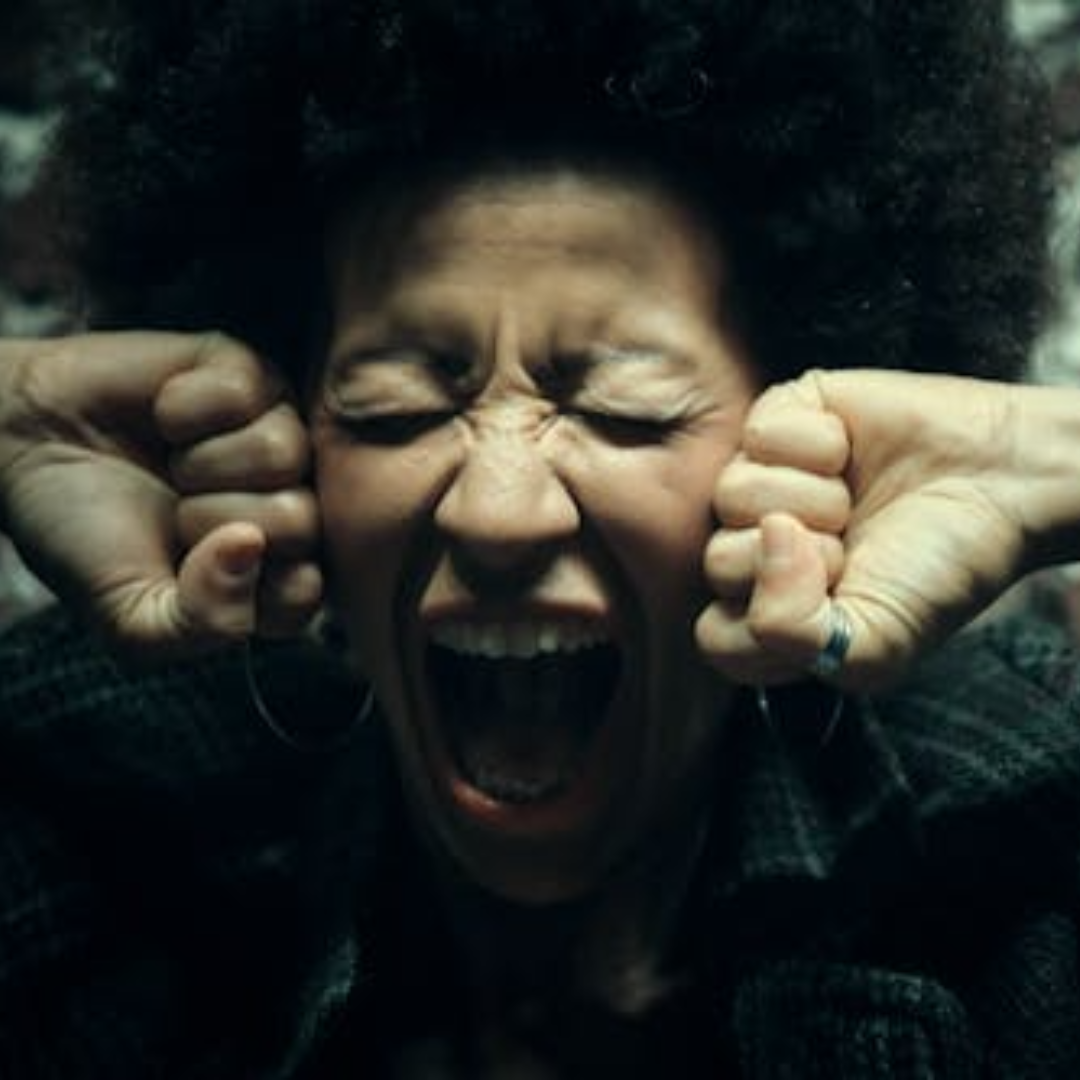


Anger is a powerful, ancient emotion—when boundaries are crossed, truths are ignored, or pain is left unheard. Though destructive, yet at its core, anger is a messenger. It arrives to tell us that something matters deeply, that an inner line has been breached.
Anger was and still is my constant companion, albeit now a tad less intense with the mellowing of age. Injustice of any kind irritates me. Whether it is harsh words spoken, actions, manipulation of situations, or corruption—the list is endless. It arrives like a sudden heat in the chest—uninvited, fierce, impossible to ignore.

From a young age, I have often felt enraged by discrimination- whether it is against girl children, cruelty towards same-gender love, ridiculing homosexuals, or racial slurs, to name a few. Anger rises in me when injustice is normalised—when daughters are fed less, educated less, valued less; when girls are taught to adjust rather than dream; when curiosity is punished and obedience rewarded. This anger is not destructive; it is necessary.
Sex determination tests to abort the girl child, less nutritious food for the daughter, more privileges and better education for the sons, dowry system, subjugation of the house’s daughter-in-law/wife—these issues too, make me angry.
That is why many of my stories in my book are about girls and their battle with discrimination. This anger at injustice steered the course of my life. Being a young mother of two lovely daughters, I remember anger as the turning point that led to my lifelong passion—teaching children and young adults to be creative.
I still remember the day my elder daughter came home from school, all of six years old, with a welt on her hand. Horrified, rage filling my tiger-mom heart, I asked her how it happened. She looked at me sadly:
“The story teacher hit me with a ruler.”
“Why?” I asked, completely mystified.
“The story was boring, so I turned around to chat with my friend—that’s when she hit me.”
I couldn’t wrap my head around this— a storytelling teacher using a ruler to get her students to listen to her stories? Absurd…
That moment exposed a system that suppresses creativity and confuses discipline with fear. My anger demanded action. This cruel act motivated me to find creative ways to teach children. From these initial explorations emerged my program – ‘Creativity Unlimited – Centre for Learning,’ where children were encouraged to think, speak, and imagine freely.
I designed various subjects that children needed help with — public speaking, communication, creative arts, drama, elocution, and debating skills. Through my teaching experiences, I realised the complete lack of emphasis on creativity in most schools thirty years ago.
Another issue that angered me was the lack of English literacy among economically disadvantaged children. As I worked in government schools, the injustice became clear. Children were locked out of opportunity, not because of a lack of intelligence, but a lack of access to language, nutrition, and support.
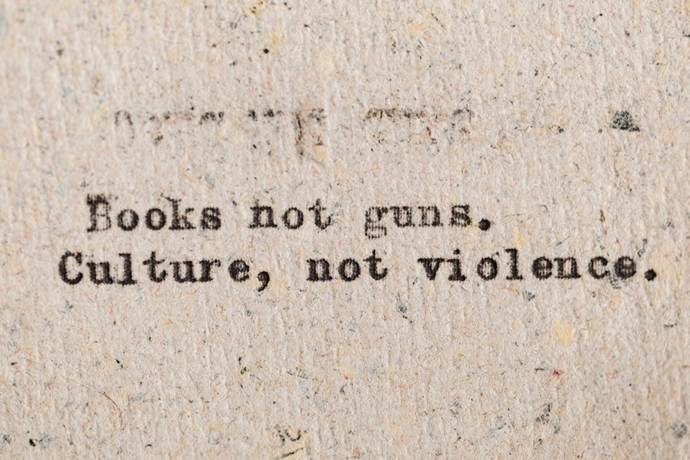
Part of my frustration came from realizing that without proper nutrition and environmental stimuli, these children would begin school at a disadvantage. The absence of positive home influences and of educated parents who struggled to survive through hard, labour-intensive work created a long-term educational deficit in these children. They could not enjoy the beautifully illustrated children’s books that our family Trust would gift.
Thus began a lifelong journey of making English a ‘readable subject’ in government schools. There too, anger would surface when young teenage girls were forced to abruptly give up their studies because they had to get married. Anger sharpened into resolve. ‘Educate the girl child — you educate the family’ was my rallying cry. Our family Trust, ‘Ramdev Kunjur Trust, ’ began supporting the education of hundreds of girls because education is not charity… it is justice.
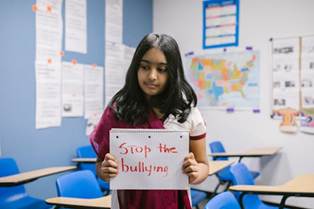
I soon understood that Anger needs understanding. Not every feeling has to turn into action. When we pause and look closely, we often see that anger hides pain, fear, or sadness. It is not something wrong with us, but a signal asking to be noticed and handled wisely.
When we accept anger calmly, it can bring clarity and lead to change. It helps us stand up for ourselves, find courage, and protect our self-respect. Many life changes begin when anger is directed towards a purpose. Anger motivated me to refuse to accept inequality as fate. My belief that stories, education, and awareness can challenge long-standing injustice was proven through my successful implementation of reading programs in many government schools.

Suppressed anger does not fade away; it solidifies into resentment, bitterness, or silent exhaustion. When expressed unconsciously, it can damage relationships and hurt both the giver and the receiver. I have experienced many betrayals in my relationships with family and friends, as most people have. Many relationships have deteriorated because of anger—both theirs and mine—something I openly admit. But, with lifetime experiences and the wise passing of years, I understand now that it led to many physiological symptoms, like headaches, neck and back pain, frozen shoulder, fractures, joint pain, and fibromyalgia-like symptoms. Anger that was redirected into my own body. We are our worst enemies when we are angry and our best friends when in a state of love.
Using meditation techniques (listed in the calmness of mind chapter), including journaling, gratitude, prayer, and pranayama, I have learnt to say ‘stop’ to most issues that used to trigger me.
Triggers are essentially habits our brains form to respond in the same way to situations that resemble past negative experiences. Change the thought, change the response, and break the habit of reacting instead of responding. Easy to say, hard to do, but definitely possible.
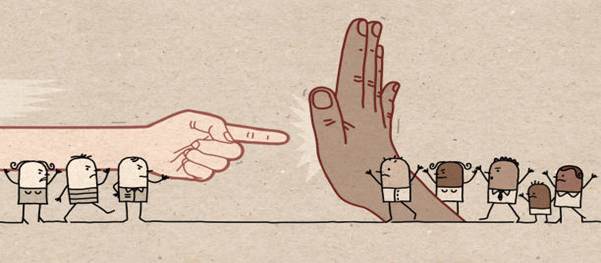
As mentioned before, I was lucky to learn various meditation techniques, which helped me release old anxiety and situations beyond my control. I came to understand over time that most situations are not inherently good or bad, but rather contrasts presented to us. They exist so we can learn to improve our coping skills, emerging stronger and wiser from the challenges we face.
Meditating on letting go of my anger has taught me about boundaries—where I end and where the world must pause. It has revealed truths I was too hesitant to admit. When I listened to it without acting blindly, anger transformed into clarity. When I rejected it, it turned inward and became heaviness.

I have learned from my own life experience that anger is like fire. Fire can burn. I no longer see anger as something to conquer. I see it as something to understand. Just like in my own life, anger in my stories is not rage for spectacle—it is the accumulated weight of being unheard, unseen, or expected to bend endlessly.
I transformed my sense of helplessness into training young children attending my workshops to respect the colour of our skin, our nationality, our gender, and, most importantly, our earth. I wrote my stories in my book based on the sense of injustice that humans feel.
Anger is not the problem. Silence is.
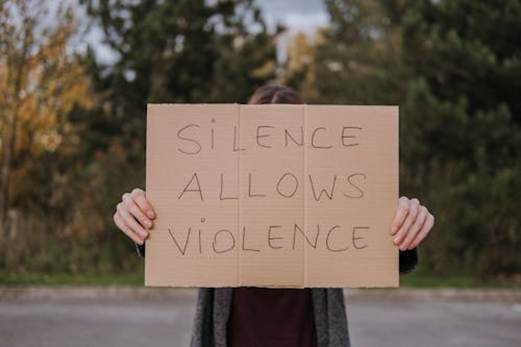
Anger is a threshold emotion. It marks the moment we decide whether to look away—or to step forward and change what must change.