

CALMNESS OF MIND
I AM, AND SO I FEEL
The craft of writing is much more than putting words on a page—it is the ability to shape thoughts, emotions, and experiences into stories that speak to others.
I have cultivated the art of imagining characters and creating stories since a young age. These characters need a plot with a beginning, middle, and end – not necessarily in that order. They require a setting for the plot to unfold. In my stories, they range from mundane to surreal, depending on the experience I want the reader to have.
In my book ‘1 more than 8 and other stories -Exploring Navarasa -the Nine Emotions’, whether I am describing love, fear, courage, or sadness, I try to stay true to the emotion rather than force it. This helps my characters feel alive and believable.
Writing is a lifelong journey. Each story teaches me something new, and every page brings me closer to understanding myself—and the world around me—just a little better.
Every Emotion I wrote about in my book emerged from my own deep experience. I decided to pen my thoughts in a series of articles about topics related to each emotion as I experienced them in my life.
These range from anecdotes, life-altering stories, health practices I follow, and maybe a little bit of fiction. Many of the articles may seem very basic, and others may even seem bizarre or worse, biased. But I feel happy to allow you into my world. It may shine a light on how my book itself evolved.
A gentle reminder that I write these articles as ‘Stream of consciousness’ and not as words set in stone.
Enjoy, read, agree, disagree, and maybe add your thoughts too. All good comments are welcome.
LEARNING FROM NATURE
I was introduced to the joy and calming qualities of nature by my husband, an avid nature lover and birder. We travelled extensively around the world, climbing mountains, crossing deserts, icebergs, and massive oceans. Through all my travels, I have found that in nature flows the true meaning of ‘Calmness of mind’.
What Rivers Teach Us
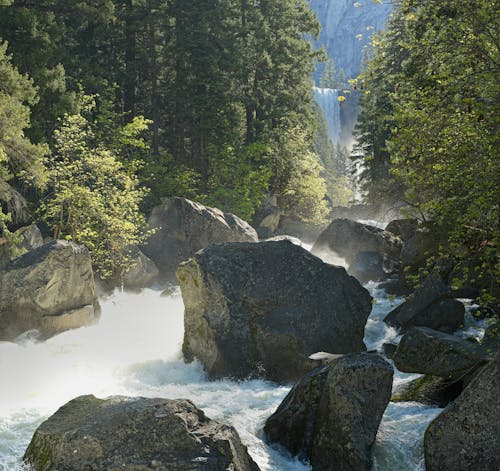
Rivers are great teachers. They begin as a dewdrop or a tiny spring, winding through mountains and waterfalls, trickling into streams, growing wider and stronger as they merge with other waters. Much like humans, who seem to emerge from “nowhere” and suddenly find themselves “now here,” we grow from a cosmic fusion into a fragile foetus, then a baby, and eventually an adult—joining others to create the unfolding drama of life.
A river teaches us to move with the flow and adapt. In our own lives, too, calm and peace are found when we move with what is, rather than resist it. Struggle upstream, and we meet resistance, exhaustion, and sometimes even the risk of drowning. But when we allow events and situations to unfold—holding faith that we are meant to flow through them, trusting that outcomes are neither good nor bad but lessons meant to guide us toward a higher good—we move in peace. As the Greek philosopher Heraclitus observed, “No man ever steps in the same river twice, for it’s not the same river and he’s not the same man.”
Pause for a moment.
Imagine yourself sitting by a river.
Notice its movement—steady, patient, unhurried.
With each breath, allow your thoughts to flow past like water, without holding on.
You are not required to swim against the current.
You are invited to trust the flow.
In this surrender, the mind grows still.
And like the river, you continue – toward wholeness, toward understanding, toward the sea.
Becoming The Ocean

The River Cannot Go Back
by Khalil Gibran
It is said that before entering the sea
a river trembles with fear.
She looks back at the path she has travelled,
from the peaks of the mountains,
The long winding road crossing forests and villages.
And in front of her,
she sees an ocean so vast,
that to enter
there seems nothing more than to disappear forever.
But there is no other way.
The river can not go back.
Nobody can go back.
To go back is impossible in existence.
The river needs to take the risk
of entering the ocean
because only then will fear disappear,
because that’s where the river will know
it’s not about disappearing into the ocean,
but of becoming the ocean
The ocean is us, as are the droplets of water that compose the ocean. This quote from Khalil Gibran always made me reflect on how we humans, like the ocean, can only exist if we understand that we are simply different parts of the whole. Just as God, infinity exists within us, so the pure drops exist because of the droplets. Each droplet has a unique configuration, just like us—no two humans are the same. Yet, only by coexisting as a cohesive pattern can mankind progress.
Oceans also teach us the art of letting go. They do not cling to the past, because they can never return to where they began. They exist only in the present moment. Even in the same spot, the ocean is made of different water each time. Likewise, we humans constantly change—we are never exactly the same from one moment to the next. How then can we expect emotions, experiences, or situations to stay fixed, or assume that everyone feels and lives in the same way?
When we understand this, compassion deepens. We realise that no two moments are identical, and no two inner worlds are the same. Expectations loosen their grip. Judgment fades. Acceptance flows in quietly.
Trees, Roots, and the Elements
I learnt a very interesting meditation technique which emphasized the godliness of trees.
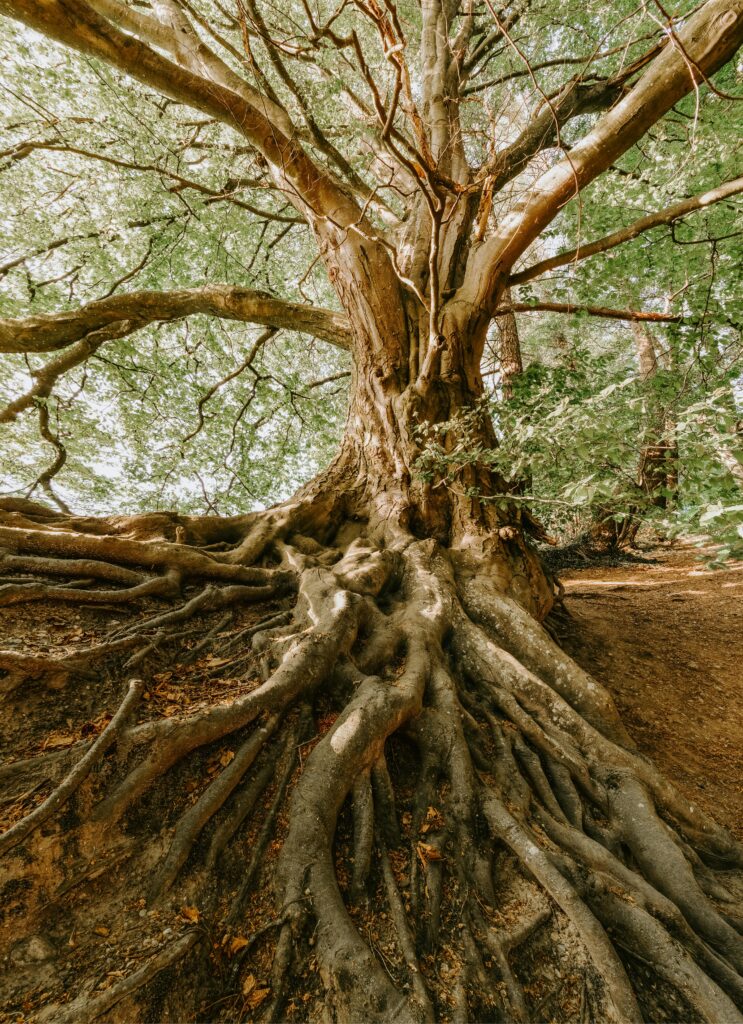
Closing my eyes, I imagine standing near a massive tree, its branches reaching out to the sky, the leaves kissed by beams of sunlight. I lean near it, absorbing energy from its roots, listening to its chatter with other roots. I had written about the interconnectedness of trees, roots, and branches in the story ‘My Garden in my soul’.
As I breathe in the scent of the earth, I receive energy from the Earth Mother, which fills my soul with healing. The dewdrops from the quivering green leaves, and I thank my cosmic mother for the bounty of water. As I look through the gaps in the leaves, the sun’s energy warms and rejuvenates my body, I thank my cosmic father for his heat and eternal sunshine. The breeze envelops me as I thank my cosmic parents for air, oxygen, and breath. As I look around me, raising my arms wide into the sky, I thank my cosmic parents for the blessing of the space around me. Blessed by the five elements -Earth, Water, Fire, Air, and Space -it is around us and within us. We are made of these very elements and dissolve into these elements at death. I touch the top of my head and my heart, humming ‘MMM’; I touch my forehead, chanting ‘AUM’. Ithen sit in silence, feeling the all-pervasive consciousness that I define as God.
Animals and the Art of Standing Still
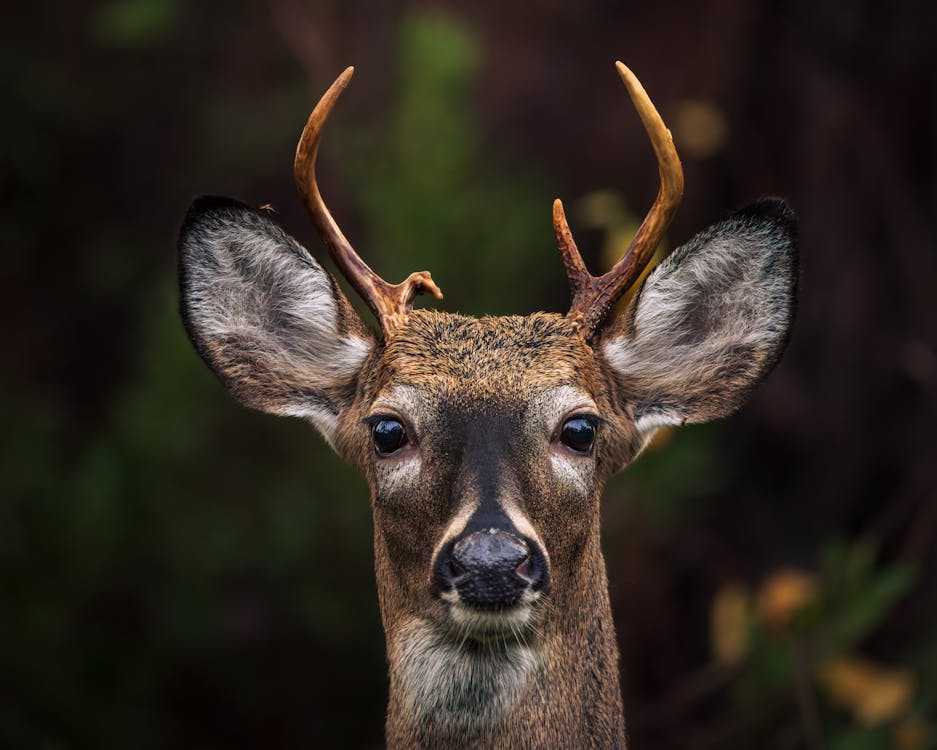
When I think of a calm mind, I often look to animals rather than humans. They are some of the greatest teachers of calm, even though they never consciously try to teach it. They simply live as nature intended, and in doing so, they show what a peaceful, attentive mind looks like.
Wild animals, birds, fish, reptiles, and even insects live constantly aware, yet they are rarely anxious like humans. They do not overthink the past or worry about the future. Their attention stays fully in the present moment. By quietly observing them, we can learn gentle yet powerful lessons about inner stillness.
Wild animals rest when they need to and move only when necessary. A tiger lying silently in tall grass or a deer standing motionless in a forest is not paralysed by fear. It is alert, attentive, and grounded in its body. Their stillness is alive, not tense. From them, we learn that calmness of mind is not dullness or sleepiness—it is awareness without agitation. A calm mind senses clearly and responds wisely, without rushing.
Birds beautifully demonstrate the ability to return to calm. Watch a bird perched on a branch—light, balanced, and at ease. It is not burdened by thoughts of where it came from or where it must go next. If danger appears, it takes flight instantly. When the danger passes, it does not replay the incident again and again. It simply returns to rest. Birds remind us that calmness is the ability to return to ease once disturbance has passed.
Fish glide through water with effortless grace, adjusting their direction when needed. They do not fight the current unnecessarily. This mirrors a calm mind that flows with life rather than constantly resisting it. Calmness means moving with circumstances while conserving inner energy. When we stop pushing against every situation, mental calm begins to emerge naturally.
Reptiles embody deep patience. A crocodile or lizard can remain absolutely still for long periods, conserving energy and waiting without restlessness. In contrast, the human mind often becomes uncomfortable with silence and pauses. Reptiles teach us that stillness is not weakness—it is a form of quiet intelligence.
Even insects reflect calm focus. An ant moves with single-minded attention. A spider waits patiently in its web. A butterfly rests, absorbing warmth before flight. They are not distracted by endless choices. Their simplicity shows us that calmness often comes from narrowing our attention, not scattering it.
When we learn to stand still like animals, both physically and mentally, the mind settles, the breath softens, and life returns to balance. Stillness is not emptiness; it is harmony.
Note: One of my short poems, ‘A brief Encounter’, describes this simply by comparing my pet’s afterlife with the ‘presentness’ of African wild animals.
BREATH AS A GUIDE TO PRESENCE
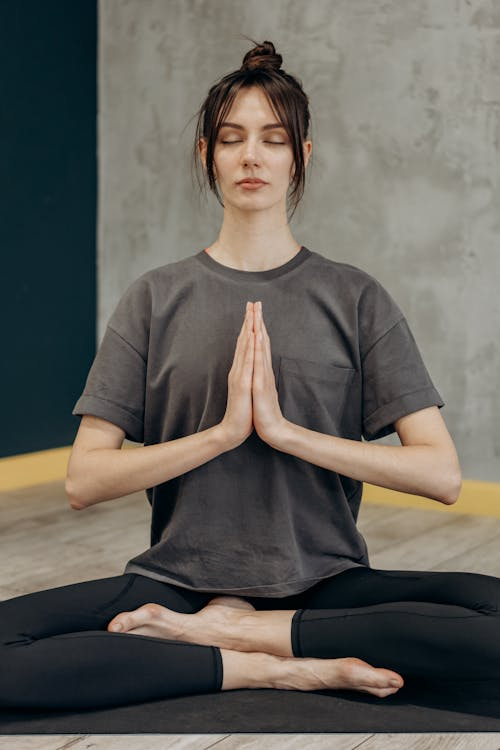
The Sacred Pause: How Breath Brings Me Back to the Present
Every life begins with an inhale and ends with an exhale. Breath is the only action that is always happening now. You cannot breathe for yesterday or tomorrow. The moment you observe the rise and fall of your breath, you return to the present—the only place where life truly unfolds. This simple act of breath awareness is the foundation of mindfulness and present-moment living.
As a firm believer in Pranayama, I have experienced how deeply mindful breathing can transform health, calm the mind, and cleanse the energy system.
I understand that irregular and shallow breathing produces a beta-wave pattern in our brain, which may lead to an overactive, busy mind. However, steadying the breath relaxes the mind and shifts it into alpha, theta, and gamma wave patterns. These patterns are linked to relaxation, focus, and emotional control.
Breathwork also influences how we perceive our world.
Rapid, uneven breathing makes my world seem frightening and threatening. Shallow breathing makes me feel anxious about the world around me. Deep inhalations and exhalations make my world feel peaceful. Perceptions change according to breath.
Over the years, I have woven different breathing techniques into my daily life, each supporting healing, clarity, and emotional balance. A few of them are:-
1. The Simplicity of In…Out
Sometimes the most powerful practice is the simplest.
I breathe in with awareness.
I breathe out with awareness.
This basic breathing exercise for health anchors me instantly, reminding me that being alive is itself a miracle. It is often the first step for anyone beginning breath meditation.
2. ‘OM’, ‘SO HUM’, ‘MMM’, and Bhramari (‘NNN’)
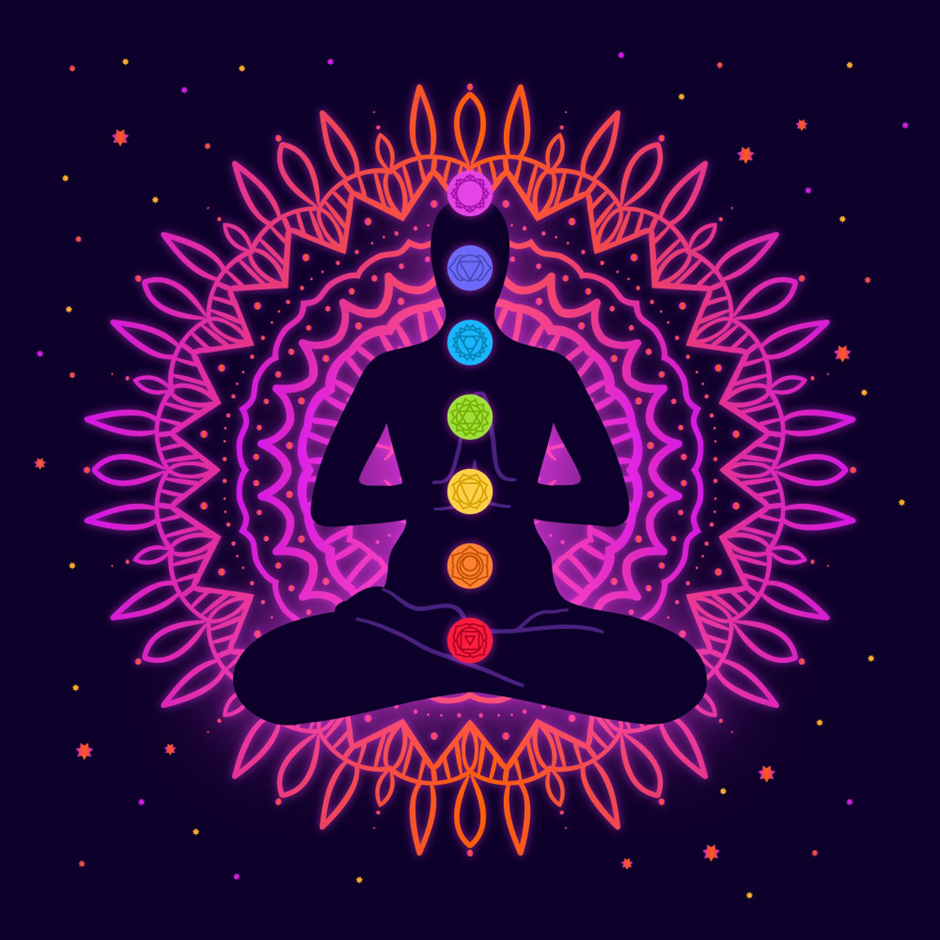
The vagus nerve flows from the brainstem down through the throat, heart, and deep into the abdomen, touching all the places where the seven chakras lie. Science tells us that this nerve activates the parasympathetic nervous system, bringing rest, calm, and emotional balance—qualities that each chakra represents. This is why sounds like OM, SO HUM, MMM, and Bhramari (NNN) feel so powerful
. I feel their vibrations travel through my face, throat, chest, and belly, gently stimulating the vagus nerve. As my nerves relax, the energy centres also soften, creating harmony between my body, breath, and subtle energy.
3. Breathing with Golden Light
At other times, I visualize a golden light encircling me—a gentle cocoon of warmth and protection. This form of guided breath visualization brings deep relaxation.
As I breathe in, I inhale God’s relaxing energy.
As I breathe out, I let go of stress and tension.
I breathe in God’s healing energy.
I breathe out all the imagined disease I hold within me.
I breathe in cleansing energy and exhale all stored negativity.
I breathe in strengthening energy and release mental, physical, and emotional weaknesses.
Finally, I breathe in God’s unconditional love and exhale every obstacle that stops this love from permeating my being.
This type of energy cleansing through breath helps release emotional clutter and invites spiritual clarity.
4. Panchmahabhuta Breathing: Aligning with the Five Elements
Another powerful practice I enjoy is Panchmahabhuta breathing, in which I use mudras associated with the five elements—earth, water, fire, air, and space and breathe.
While doing pranayama breathing for energy and clarity, and keeping my fingers in the Mudras related to these elements, I feel myself grounding into the cosmos. This technique enhances vitality, sharpens focus, and strengthens the subtle body.
5. Marma Chikitsa Breathwork
One of the most beautiful practices I learned during a Marma Chikitsa breathwork course involves directing breath with intention.
I breathe into the crown of my head and exhale through my hands.
I breathe in from the spaces where I feel well and guide that breath into the spaces that hold pain—easing it out of my body.
This technique combines body awareness, healing breathing techniques, and ancient Indian wisdom to foster inner harmony.
Breath as the Doorway to Reality. Breath is awareness. Breath is presence.
With every inhale and exhale, I am reminded that our body, our relationships, and events in the outside world are simply constructs of the mind. The only reality is the present moment—and breath is the pathway back to it.